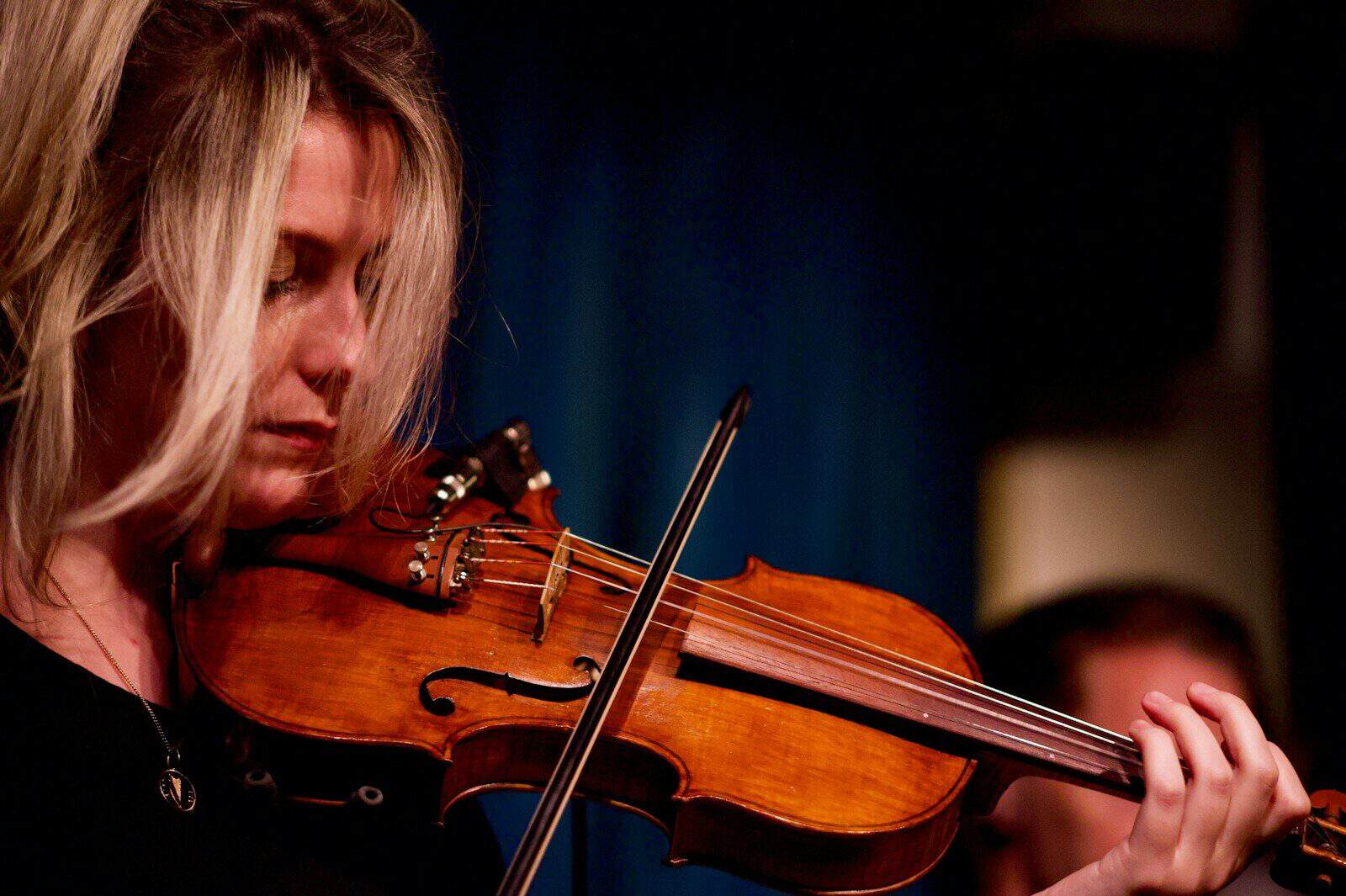
A drumbeat can make a passage feel urgent or grounded. A violin chord can seem tender, unresolved, or full of longing. When we say music moves us, we often mean that it stirs an emotional response. But why can a combination of sounds feel so powerful?
There is no single musical switch for sadness, joy, tension, or comfort. Rhythm, melody, harmony, dynamics, and timbre work together. What we hear is also shaped by musical style, familiarity, culture, and the meaning we bring to a song.
A beat can shape the feeling of a passage
Rhythm gives music a pattern of emphasis and timing. A steady, forceful beat may contribute to a feeling of confidence or drive; a sparse or uneven pattern can make a passage feel hesitant or unsettled. These are listening impressions, not fixed translations. The same rhythm can feel playful in one arrangement and ominous in another, depending on tempo, sound, and context.
A beat can also create expectation. We begin to sense when a phrase will continue, pause, or change. A small delay, accent, or shift in intensity can make the next moment feel surprising or charged. The emotional effect often comes from the contrast between what we anticipate and what the music actually does.
Chords and melody build expectation
Harmony describes how notes sound together and how chords relate as music unfolds. Some progressions feel settled; others leave a question hanging or create a sense of arrival. Melody adds another layer: its shape, range, repetition, and pauses help guide our attention through the passage.
A study that varied musical cues across short excerpts asked listeners to rate emotions including happiness, sadness, peacefulness, and fear. Mode, tempo, dynamics, articulation, register, and timbre all contributed to judgements, but their relative influence depended on the emotion and example. The researchers found multiple cues working together—not a universal recipe that guarantees how a listener will feel.
The sound of an instrument matters
Timbre is the quality that helps us distinguish sounds, even when instruments play the same note. A bowed violin can sustain and swell through a phrase; a drum can give a sharp accent; a soft piano can make a pause feel exposed. Register, loudness, articulation, and the surrounding arrangement all affect the character of a sound.
Imagine the same rising melody played quietly on strings, then loudly with drums and brass. Its basic contour remains, but the texture and intensity change the impression. The instruments do not carry one emotion on their own; their sound, timing, and relationship to the rest of the music all matter.
Culture and memory shape what we hear
Musical expectations develop through listening and experience. A study comparing responses to Hindustani ragas among culturally familiar and unfamiliar listeners found that different cues best explained emotion ratings in the two groups. Tonality was especially informative for Indian listeners in that study, while rhythm was a stronger predictor among non-Indian listeners. This result does not define every listener in either group; it shows why emotional meaning cannot be separated from musical familiarity and cultural context.
Memory adds another personal layer. A melody may recall a person, place, or period of life. A lyric can give a feeling a name—or leave enough space for us to supply our own meaning. Two people can hear the same passage and respond differently, and one person may hear it differently at another time.
Listen for what is carrying the feeling
Choose a passage that affects you and listen again with a few questions in mind. What changes in the beat or phrasing? Does a chord feel resolved or suspended? Which instrument or sound colour stands out? Is there a lyric, memory, or expectation influencing your response?
You may not find one answer. Often, the feeling comes from the way musical details combine with the listener’s own associations. The beat of the drums and the chords of a violin can help shape the emotional scene—but they do not dictate what everyone must feel.