A playlist and a speaker can absolutely make a gathering better. For an informal hangout, they may be all you need. But when you invite people to a public listening session or performance, the music is only one part of what you are making. The room, the order of events, the way people are welcomed, and the attention you give the audience all shape the experience.
The difference is not that a playlist is somehow lesser. It is that a public event makes a promise: come spend this time with us. That promise asks for a little thought beyond pressing play.
Curation gives the event a shape
A playlist can be a collection of tracks. A listening event gives those tracks a context. Why these songs, in this order, for this audience, on this particular occasion? An opening can help people settle in. A change in energy can give the evening a new chapter. A pause can make space for a story, a question, or a moment of quiet.
The sequence does not need to be complicated. It just needs to feel considered. A short introduction can tell people what they are about to hear and why it matters to the person hosting.
A performance responds in real time
When a person performs, they bring decisions that a static playlist cannot make in the moment. They can extend a section, change the dynamics, speak to the audience, or respond to the energy in the room. That live exchange does not guarantee that everyone will have a profound experience, but it gives the event a quality of “this is happening here, now.”
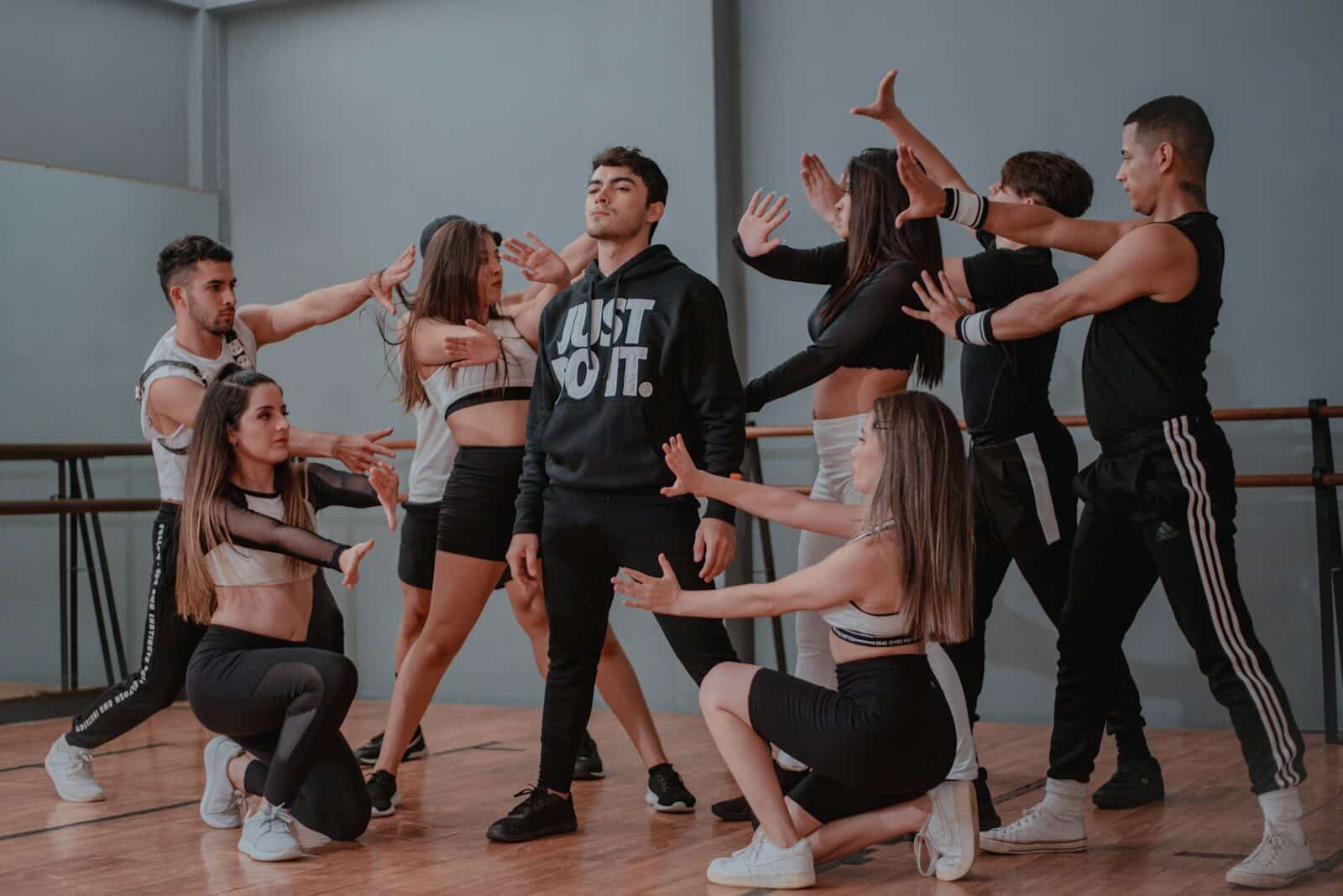
A mixed-method study of pop concertgoers described the concert experience as an interplay between the artist, the individual listener, and the people they attended with. A 2025 systematic review also found social experience and shared participation in reports of live music events, while noting that much evidence was observational or qualitative and relatively few experiments tested cause and effect. This points to the event around the music as part of the experience, without proving that every performance is better than listening at home. Read the concertgoer study and the 2025 review.
The audience is part of the room
People arrive with different levels of familiarity, confidence, and energy. Some want to sing, dance, talk, or ask a question. Others would rather listen quietly. A thoughtful host makes participation possible without demanding it. Clear expectations help too: is this a dance floor, an album listening session, a DJ set, or a casual place to hang out? People can relax when they know what kind of room they have entered.
Small practical details matter: sound that is comfortable rather than punishing, a layout where people can move or sit, a clear start and finish, and a way for newcomers to feel included. For an online event, introductions, chat, and visible audience responses can help make the gathering feel less like a video playing in an empty tab.
Choose the format for the moment
Sometimes the right choice is a playlist through a home speaker. Sometimes it is a DJ set, a live performance, a themed listening party, or a room where friends take turns sharing music. The simplest format can be the best one when it fits the occasion. A public event benefits from asking what you want people to experience together, not only what you want them to hear.
On VIBESXS, a Vibe Room lets a host share a DJ-led set with invited listeners. If the group would rather build a collection together and listen separately, Playlist Builder’s shared queue is designed for collaborative curation. Check the live product for current access and setup details.
The speaker is the start, not the whole plan
Public music does not need a stage, expensive equipment, or a perfect programme to feel intentional. It needs a reason for gathering, a bit of care for the people in the room, and choices that help the music land. The playlist provides the songs. The host, performer, setting, and audience turn those songs into an event.